
Lakewood commercial glass repair is part of everyday life for property managers in this busy Jefferson County city. Lakewood has shops around Belmar and office parks along Colfax, Union Boulevard, and Denver West. These buildings rely on glass for looks, light, and safety. When glass cracks, leaks, or breaks, tenants want fast answers. This guide gives property managers a practical plan for inspections, vendors, emergencies, tenant communication, and budgets.
It works for retail centers, medical buildings, office complexes, and mixed-use properties across Lakewood and the west metro area.
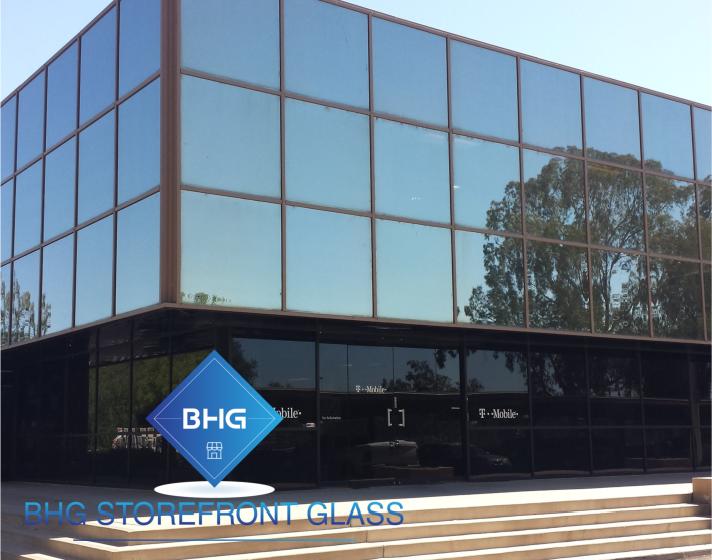
Why Glass Matters to Property Managers
Glass touches much of a property manager’s job. It shapes first impressions. It also affects energy costs. In addition, broken or leaking glass creates safety risks and tenant complaints. So a smart glass plan protects both the building and the relationships inside it.
Common Lakewood Commercial Glass Repair Needs
Property managers in Lakewood see a familiar set of problems:
- Hail damage to storefronts, skylights, and upper-floor windows
- Fogged insulated glass after years of freeze-thaw cycles
- Broken doors and windows from break-ins or vandalism
- Door closers and pivots worn out by heavy traffic
- Leaks around frames during spring storms and snowmelt
- Thermal stress cracks on sunny elevations
Knowing these patterns helps you plan inspections and budgets.
Step 1: Build a Glass Inventory
Start with a list. Walk each building. Write down every storefront, door, window, and skylight. Note the glass type, frame, and size. Add photos too. This list speeds up repairs. You can share exact details with your glazier. It also helps with insurance and long-term plans.
Step 2: Schedule Regular Inspections
Inspections catch small problems early. So check the glass at least twice a year. Spring is best, right before hail season. Fall is good too, before the cold sets in. During each inspection, check glass for cracks and fogging, frames for dents and corrosion, sealant for gaps, and doors for smooth operation.
Step 3: Set Up a Trusted Vendor
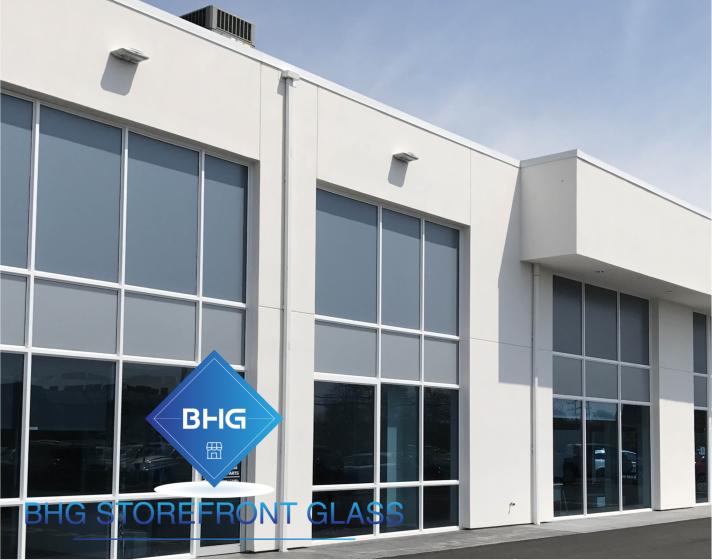
Do not wait for an emergency to find a glazier. Instead, choose a commercial glass company in advance. Look for 24-hour response, commercial experience, proper licensing, and insurance. Many property managers sign a service agreement that includes priority response and set pricing. As a result, Lakewood commercial glass repair happens faster when it matters most.
Step 4: Create an Emergency Plan
Glass emergencies happen at night, on weekends, and during storms. So write a simple plan:
- Keep people away from broken glass
- Call police if there was a break-in
- Photograph the damage
- Call your glazier for board-up or temporary glass
- Notify the affected tenant and the owner
- Report the claim to insurance if needed
Share this plan with on-site staff, security, and maintenance teams.
Lakewood Commercial Glass Repair and Tenant Communication
Tenants want to know what happened and when it will be fixed. So communicate quickly. Send a short message when damage occurs. Then give updates on board-up, ordering, and permanent repair dates. In addition, explain any access needs, such as early-morning work. Clear communication reduces complaints and builds trust.
A Quick Monthly Walk
You do not need a full inspection every month. A short walk is enough. Look at each door. Does it close and lock? Look at the glass. Any new cracks or chips? Check the seals. Any gaps? Look at the floor by the door. Any water? Write down what you see. Then call your glazier for anything that needs work. This small habit catches problems early.
Keep Key Details Handy
Keep a one-page sheet for each building. List the glazier’s phone number, the alarm company, and the owner’s contact. Add the glass types and sizes for each storefront. Store it in the office and on your phone. When something breaks at night, you will have what you need.
Who Pays for Glass Repairs?
The lease decides who pays. Often, the landlord covers the shell. The tenant covers its own doors and inside glass. But every lease is different. Some make tenants pay for all glass in their space. So review your leases and keep a simple chart of responsibilities. That chart speeds up decisions after damage.
Lakewood Commercial Glass Repair Budgets
Glass repairs can be planned and budgeted. Track repair costs by property and by type. Over time, you will see patterns, such as one center with frequent break-ins or one building with aging insulated units. Then you can plan upgrades, like laminated security glass or a full storefront replacement. Proactive budgeting turns surprise costs into planned investments.
Insurance and Documentation
Good records support insurance claims. Keep photos, police reports, glazier estimates, and invoices for every incident. In addition, note dates and times. Many commercial policies cover sudden glass breakage. However, deductibles and coverage limits vary. So review your policies with your broker each year.
Permits in Lakewood
Simple glass replacement usually does not need a permit. However, replacing full storefront systems, changing door sizes, or altering structure often does. The City of Lakewood handles building permits for properties within city limits. Your glazier can tell you when a permit applies and help with the paperwork.
Planning Upgrades for Long-Term Value
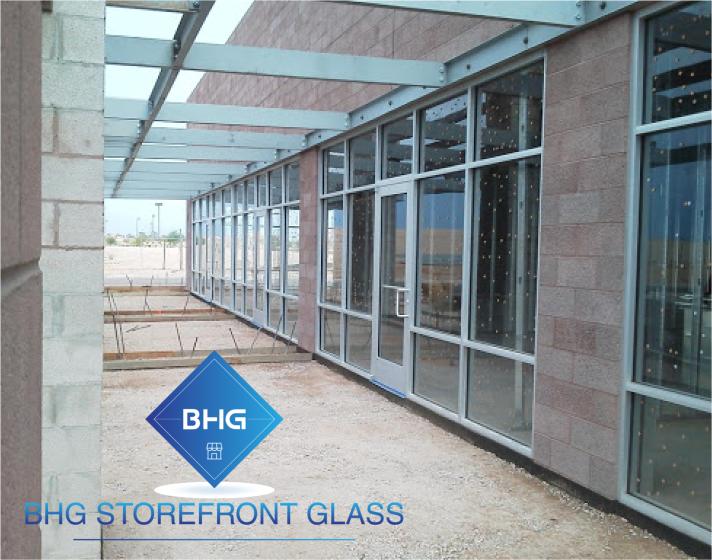
Repairs keep a building running. Upgrades raise its value. Consider these improvements:
- Laminated glass at storefronts that see break-ins
- Insulated low-e glass to reduce energy costs
- Thermally broken frames to stop condensation
- Heavy-duty door hardware at busy entrances
- Security film on vulnerable windows
Industry groups like IREM offer property managers resources on capital planning and building operations.
Lakewood Commercial Glass Repair for Retail Centers
Retail centers face the highest glass traffic. Doors open thousands of times a day. Storefront windows are targets for break-ins. In addition, tenants change often, which means new storefronts and door hardware. So retail centers benefit most from regular inspections and a fast-response glazier.
Lakewood Commercial Glass Repair for Office and Medical Buildings
Office and medical buildings have different needs. They often have larger windows, curtain walls, and interior glass partitions. Comfort and energy efficiency matter to tenants who work there all day. Medical tenants may need privacy glass and accessible entrances. So plan inspections and upgrades around how each building is used.
Train Your On-Site Team
Your staff see the building every day. So teach them what to look for. Show them how to spot cracks, fog, and leaks. Tell them who to call. Give them the glazier’s number. A trained team spots problems fast.
Common Mistakes to Avoid
- Searching for a glass company only after something breaks
- Skipping inspections before hail season
- Leaving tenants without updates after damage
- Ignoring lease language about glass responsibility
- Repairing the same storefront repeatedly instead of upgrading
FAQ on Lakewood Commercial Glass Repair
How often should commercial glass be inspected?
At least twice a year, ideally in spring and fall. In addition, check after any big hailstorm or break-in.
Who pays for broken storefront glass?
It depends on the lease. Check each tenant’s responsibilities and keep a simple chart for quick reference.
Do I need a permit for Lakewood commercial glass repair?
A like-for-like pane usually does not. Replacing the whole storefront often does.
Keep Your Properties Protected
A clear plan saves time, money, and stress. See our commercial glass replacement services, or set up a service plan with our team.