
Storefront glass replacement raises two big questions for every owner: how much will it cost, and how long will it take? The answers depend on many factors. Glass type, size, framing, doors, site access, permits, and supplier schedules all play a role. Understanding these factors helps you set a realistic budget and timeline. It also helps you compare quotes and plan your business around the work. This guide explains what drives both cost and lead time.
Use it as a planning tool before you request bids.
Cost Factor 1: Scope of Work
The biggest factor is how much needs replacing. Replacing a single pane in a sound frame is the simplest job. Replacing all the glass but keeping the frames costs more. A full system replacement, with new frames, glass, and doors, costs the most. So start by defining the scope with your glazier.
Cost Factor 2: Glass Type
Glass options vary widely in price. Common types include:
- Tempered glass: required in many locations and moderately priced
- Insulated glass units: two panes with a sealed space, better for comfort
- Low-e coatings: cut summer heat and winter heat loss
- Laminated glass: holds together when struck and screens out UV
- Specialty glass: tinted, patterned, or fire-rated options
Higher-performance glass costs more but can lower energy bills and improve security.
Cost Factor 3: Size and Weight
Larger panes cost more to make and ship. They also need more labor and equipment to install. Very large or heavy panes may need lifts or extra crew members. So the size of your storefront affects both material and labor costs.
Cost Factor 4: Framing Condition
If the frames are sound, you may pay only for glass and labor. However, if frames are bent, corroded, or outdated, they may need repair or replacement. New thermally broken frames cost more than basic frames but improve comfort. Custom colors also add cost.

Cost Factor 5: Doors and Hardware
Doors can be a large part of a storefront glass replacement budget. A standard aluminum door with basic hardware is the most affordable. All-glass doors, automatic operators, panic devices, and access control add cost. So list your door needs clearly when requesting quotes.
Cost Factor 6: Site Access and Timing
Easy access lowers cost. Ground-floor storefronts with parking in front are simple to reach. In contrast, upper floors, busy sidewalks, or tight alleys may need lifts, permits, or traffic control. In addition, after-hours or weekend work costs more. Emergency service costs the most.
Cost Factor 7: Permits, Drawings, and Code Changes
Many full replacements need a building permit. Permit fees and drawings add to the cost. In addition, older storefronts may need code updates, such as safety glass, accessible doors, or energy-compliant glass. These updates protect you but may raise the price.
What Determines Lead Time
Lead time is the time from order to delivery. Several factors affect it:
- Glass type: basic tempered glass ships faster than insulated, laminated, or coated units
- Size: oversized panes may need special production
- Frame finish: standard finishes ship faster than custom colors
- Doors and hardware: specialty hardware can take longer
- Supplier workload: busy seasons can stretch schedules
So ask your glazier for realistic lead times before you plan your schedule.
Storefront Glass Replacement Lead Time Ranges
Exact timing varies by supplier. As a rough guide for storefront glass replacement:
- Single tempered pane: often a few days
- Insulated or laminated units: often one to three weeks
- Full storefront systems with custom finishes: often several weeks or more
Rush options may exist, but they usually cost more.
Hidden Costs in Storefront Glass Replacement
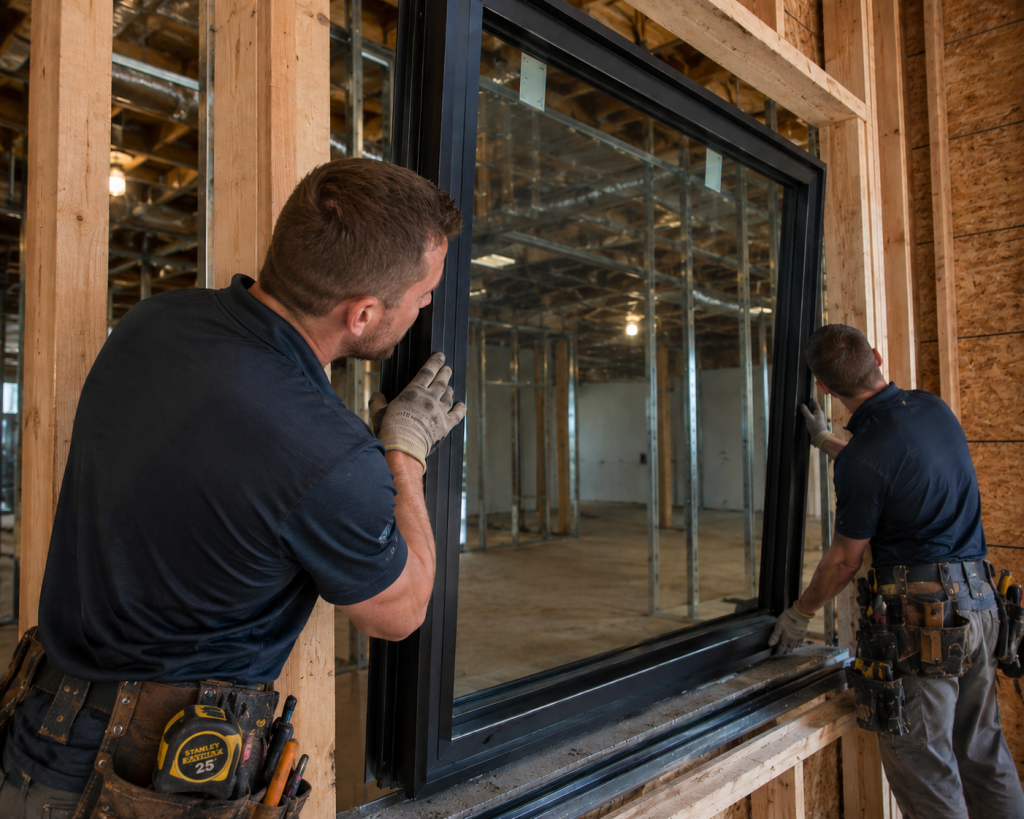
Some costs only appear once work starts. For example, crews may find a decayed sill or a damaged wall around the opening. Old sealant may hide water damage. So ask how the glazier handles surprises. A fair quote explains these costs in advance.
Shortening Storefront Glass Replacement Lead Times
You can often speed things up. First, measure and approve drawings quickly. Next, choose standard finishes when possible. Then order as soon as the scope is final. In addition, ask whether stock sizes or standard products could work. Small choices can save weeks.
Temporary Protection While You Wait
If the glass is already broken, the opening needs protection until the new glass arrives. Board-up or temporary panels keep the space secure. Clear temporary panels let light in and keep the business looking open. Ask your glazier to include temporary protection in the plan.
Questions to Ask Before You Order
A few questions save trouble. Is this a stock size or a custom size? Which finish ships fastest? Is the frame worth keeping? Will the new glass meet current codes? How long will installation take once the glass arrives? Clear answers help you plan both budget and schedule.
Reading a Storefront Glass Replacement Quote
A clear quote should list:
- What each opening includes
- Glass makeup and thickness
- Frame repairs or replacement
- Doors and hardware
- Removal and disposal
- Permits and drawings, if included
- Lead time and installation schedule
- Warranty and exclusions
If something is missing, ask before you sign. The National Glass Association also offers helpful information on glass types and industry practices.
Storefront Glass Replacement for Restaurants and Retail
Restaurants and shops feel every day of downtime. So they often care as much about lead time as cost. Many choose standard sizes and finishes to get glass faster. In addition, they schedule installation before opening or after closing. Some keep temporary clear panels in place, so the storefront still looks inviting. Planning storefront glass replacement around business hours protects sales.
Seasonal Timing
Season affects both cost and timing. Spring and early summer are busy for glass companies, especially after hail. As a result, lead times can stretch. Fall and winter may offer more scheduling flexibility. However, cold weather can affect sealant curing. So ask your glazier about the best time to schedule.
Insurance and Your Budget
If the damage came from a storm, accident, or break-in, insurance may cover much of the cost. So take photos, file a report, and share the glazier’s quote with your insurer. In addition, ask whether upgrades like laminated glass are covered or must be paid separately.
Balancing Cost and Value
The cheapest option is not always the best value. For example, insulated low-e glass may cost more but save on energy for years. Laminated glass may cost more but prevent future break-ins. So weigh long-term benefits along with upfront cost.
Common Mistakes to Avoid
- Comparing quotes with different scopes
- Ignoring lead times when planning reopening dates
- Choosing custom finishes without checking delivery times
- Skipping temporary protection for broken openings
- Forgetting permit and code update costs
FAQ on Storefront Glass Replacement
What affects storefront glass replacement cost the most?
The scope of work, glass type, and whether frames need replacement.
How long does storefront glass replacement take?
Lead times range from a few days for simple glass to several weeks for full systems.
Can I speed up the lead time?
Choosing standard sizes and finishes and approving drawings quickly can help. In addition, ordering right after measurements avoids losing time in the supplier’s queue.
Plan Your Replacement
Knowing the factors helps you budget and schedule with confidence. See our glass replacement services, or request a quote today.