
Denver commercial window installation gets more complicated when the building is full of people. Office tenants still need to work, clinics still need to see patients, and shops still need to serve customers. Meanwhile, crews are removing old windows, setting new glass, and sealing openings. With good planning, though, a window project can move forward without shutting the building down. This guide explains how to plan window work around an occupied building in Denver.
It is meant for building owners, property managers, and facility teams.
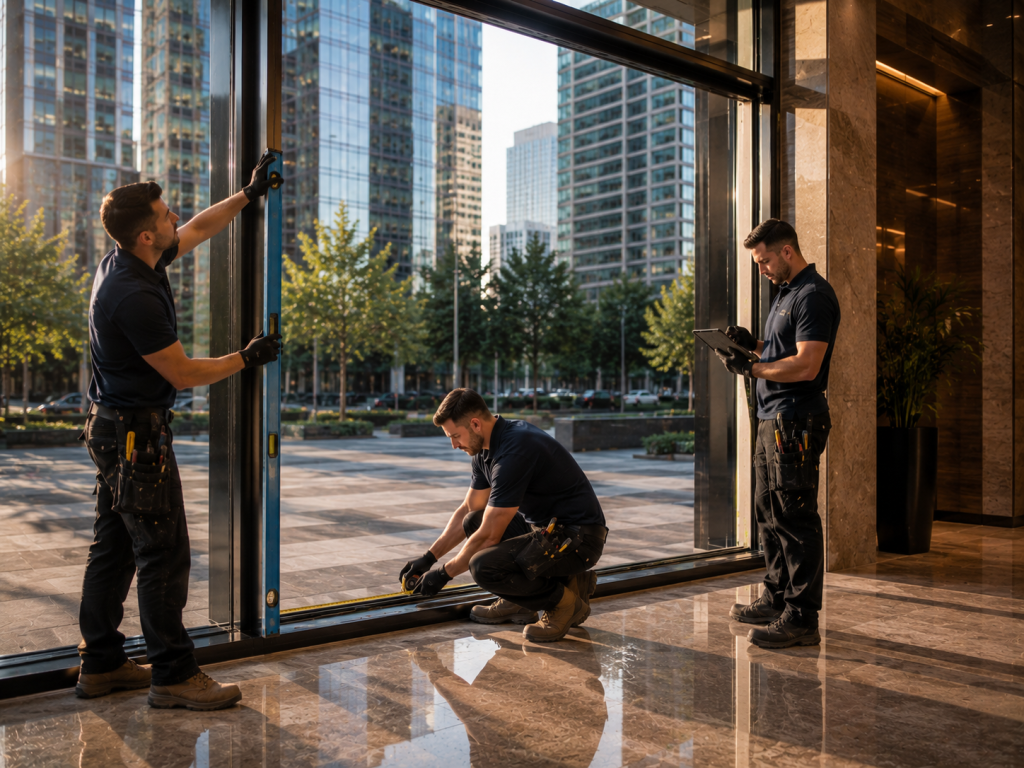
Why Occupied Buildings Need a Special Plan
In an empty building, crews can work wherever and whenever they like. In an occupied one, every step affects someone. Noise can disrupt meetings. Dust can reach desks and equipment. Open window holes can let in cold air or rain. As a result, the plan has to protect people and property while still keeping the project on schedule.
Start With a Survey of the Building
First, the glazier and the property manager should walk the building together. They look at each window, note its condition, and measure the openings. In addition, they look at what sits inside each room: desks, servers, medical equipment, or stock. This survey shapes the whole schedule. For example, a server room may need special protection, while a storage closet can be done any time.
Denver Commercial Window Installation in Phases
Most occupied projects run in phases. Crews work on one floor, one side of the building, or one tenant space at a time. That keeps the disruption small and lets people move away from the work. Phasing also helps with materials, since crews only need to store the glass for the current phase. A clear phase map, shared with every tenant, reduces surprises.
Denver Commercial Window Installation and Tenant Notices
Good communication may be the most important part of the job. Tenants should know when crews will be in their space, what to move, and how long the work will take. So send notices a week or two ahead, then a reminder the day before. In addition, give tenants a contact person for questions. When people know what to expect, they are far more patient.
Controlling Noise and Work Hours
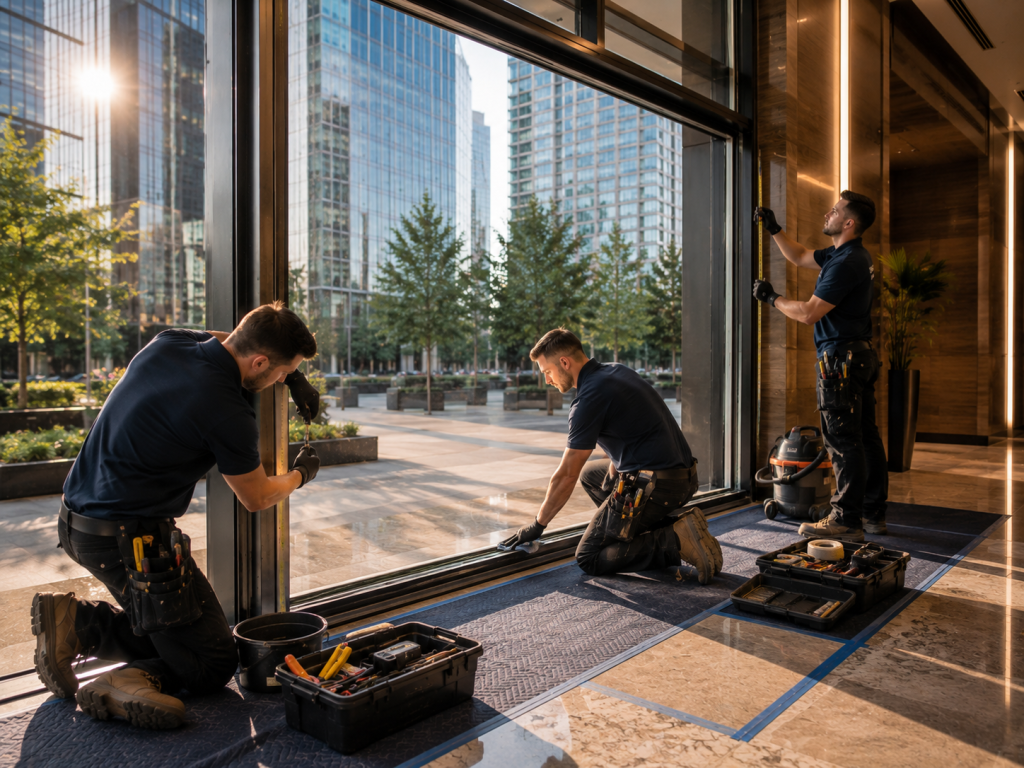
Removing old windows can be loud. Cutting sealant, prying frames, and drilling anchors all make noise. So schedule the loudest tasks for early mornings, evenings, or weekends when possible. Some buildings set quiet hours that crews must follow. Meanwhile, quieter tasks, such as setting glass and sealing, can happen during the day.
Denver Commercial Window Installation and Dust Control
Dust is a common complaint during window work. Crews can limit it with plastic barriers, floor protection, and careful cleanup at the end of each day. In sensitive spaces, such as medical offices or labs, extra steps may be needed, like sealed work zones and air filters. Plan these steps with each tenant before work begins.
Weather Protection During Denver Commercial Window Installation
Denver weather can change fast. A sunny morning can turn into a windy, cold afternoon or a sudden hailstorm. Therefore, crews should only remove as many windows as they can replace in a day. If an opening must stay open overnight, it needs a secure, weather-tight cover. Watching the forecast from the National Weather Service in Boulder helps crews plan around storms.
Exterior Access for Denver Commercial Window Installation
Many window jobs are done from the outside using lifts, scaffolding, or swing stages. These need clear zones on the ground to keep people safe. So plan where equipment will sit, how pedestrians will get around it, and how entrances stay open. In addition, coordinate with parking and deliveries so trucks can still reach the building.
Working in Medical and Sensitive Spaces
Clinics, labs, and data rooms need extra care. For example, a dental office cannot have dust drifting over open trays, and a server room cannot get warm or damp. So these spaces may need weekend work, sealed barriers, or air scrubbers. In addition, crews should coordinate with the tenant’s own staff, who know which equipment is most sensitive. A short meeting before the phase starts prevents most problems.
Security While Windows Are Out
An open window is an open door for thieves. So crews must secure every opening before they leave each day. Temporary panels, plywood, or plastic with locked framing all work. In addition, the building’s alarm system may need adjustments while sensors are removed. Plan these steps with building security before work begins.
Choosing the Right Windows
An occupied project is a good time to improve comfort. Denver’s sun is strong at high altitude, and winters can be cold. So low-E insulated glass and thermally broken frames are wise choices. Together, they keep summer sun out and winter warmth in. In addition, they can make offices quieter. The National Fenestration Rating Council explains the ratings you can compare.
Cleanup at the End of Each Day
Tenants judge the project by what they see each morning. So crews should leave every work area clean before they go home. That means vacuuming dust, removing old sealant scraps, and putting furniture back where it belongs. In addition, any glass waste should leave the site the same day. A tidy site builds trust and keeps complaints low, which makes the rest of the project easier.
Permits and Inspections in Denver
Most commercial window replacement in Denver needs a permit, especially when frames or openings change. The glazing contractor usually handles the paperwork. Inspections may be scheduled by phase, so plan time for them in the overall timeline.
Denver Commercial Window Installation Timeline
The timeline depends on the size of the building and the number of phases. Ordering custom windows can take several weeks. Then each phase usually wraps up in several working days. A good contractor will share a realistic schedule and update it as work moves along. Building in a little buffer for weather is always smart.
Keeping Costs Under Control
Phased work can cost a bit more than doing an empty building, since crews move more often. However, it avoids the much larger cost of moving tenants out. To keep costs down, group phases logically, order all windows at once, and avoid changes once work starts. Our commercial window replacement page explains common options.
Also, hold a short wrap-up meeting after each phase to note what went well and what to change next time.
Planning Checklist
- Survey every window and every room
- Set up phases by floor or tenant
- Send clear notices to tenants
- Schedule loud work at quiet times
- Plan dust and weather protection
- Map exterior access and safety zones
- Confirm permits and inspections
Denver Commercial Window Installation FAQ
Do tenants need to move out?
Usually not. Most projects only ask tenants to clear the area near each window for a short time.
How many windows can be done in a day?
It depends on size and access, but crews often replace several openings per day.
What if it storms during the job?
Crews cover any open areas and pause until the weather clears.
Upgrade Without Shutting Down
Careful planning makes Denver commercial window installation possible while your building stays open. Ready to map out phases for your building? Learn about our office and retail window work, then request a site survey.