
Denver storefront door replacement is one of the fastest ways to make a business look cared for and work better every day. In neighborhoods like LoDo, RiNo, Cherry Creek, and along Colfax Avenue, shop doors open hundreds of times a day. Over the years, hinges wear out, glass picks up scratches, closers leak oil, and locks start to stick. Denver’s freeze-thaw cycles and strong sun add more stress. When it is time for a new door, the choices you make about glass, frames, and hardware decide how long it lasts. Here is what to weigh before you order.
Business owners, property managers, and landlords can use these tips to plan a door project with fewer surprises.
Signs You Need a Denver Storefront Door Replacement
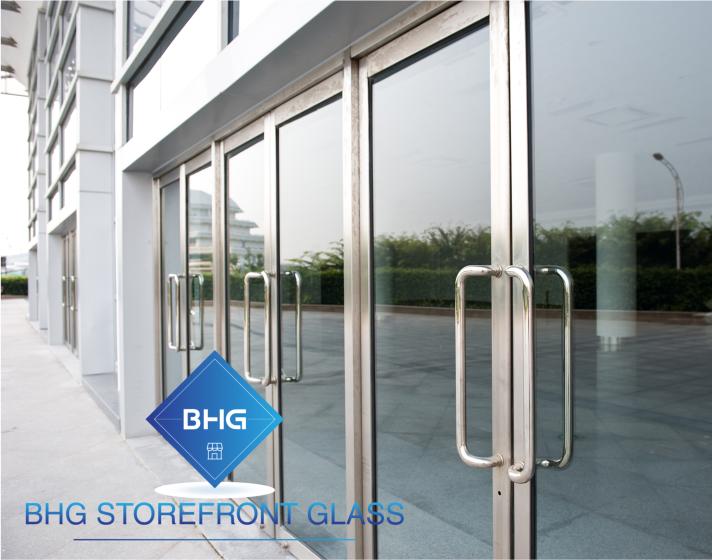
A new closer or hinge can save some doors. Others have reached the end. For example, a bent frame, a cracked door rail, or corrosion at the bottom often means replacement. Also, if the door drags no matter how often someone adjusts it, the frame may be out of square. Drafts, water leaks, and a lock that never lines up are other warning signs. When repairs keep coming back, Denver storefront door replacement usually costs less over time.
Denver Storefront Door Replacement Starts With a Site Check
Before you pick products, have a glazier look at the opening. First, they measure the width, height, and how square the frame is. Next, they check the threshold, the floor slope, and the wall around the frame. In addition, they look at the existing hardware and how people use the door. A busy coffee shop needs tougher parts than a quiet office suite. This visit shapes every choice in a Denver storefront door replacement.
Door Only or Door and Frame?
If the frame is straight and solid, you may only need a new door leaf. That saves money and time. However, if the frame is bent, rusted, or too weak for modern hardware, replace both. A matched door and frame also seal better against Denver’s wind and snow. Your glazier can tell you which path makes sense after the site check.
Choosing Glass for a Denver Storefront Door Replacement
Door glass must be safety glass, either tempered or laminated. Tempered glass breaks into small pieces that are less likely to cause injury. Laminated glass stays in one piece because a plastic layer holds it together. As a result, it offers better security. Many owners also pick dual-pane glass with a low-E layer. It helps keep warm air in during winter and blocks heat during summer. The National Fenestration Rating Council rates glass so you can compare energy performance.
Frame Styles and Finishes
Most storefront doors use aluminum frames. Narrow stile doors look sleek but hold less hardware. Medium and wide stile doors are stronger and fit heavier locks and panic bars. For busy entries, wider stiles are often the better choice. Also, think about color. Clear anodized aluminum is classic, while dark bronze and black suit modern designs. Pick a finish that matches the rest of the storefront.
Thermally Broken Frames for Colorado Weather
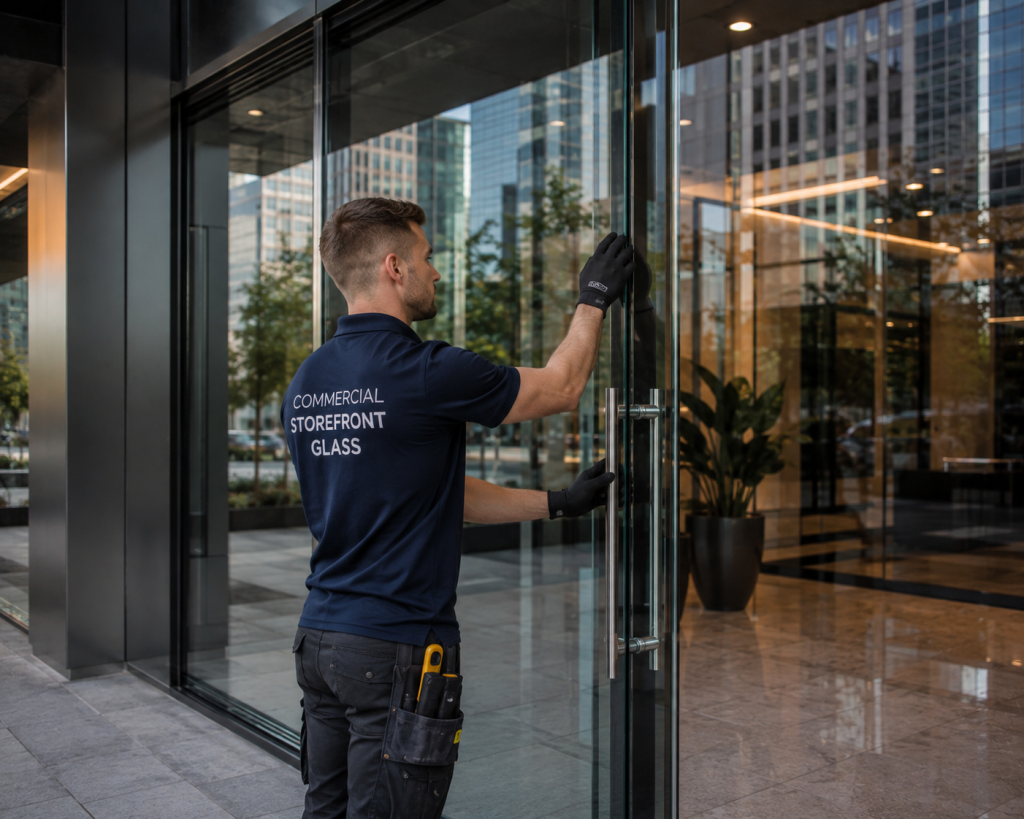
Denver winters bring cold snaps, and aluminum conducts cold quickly. Thermally broken frames have a plastic barrier inside the metal that slows heat loss. This keeps the inside of the frame warmer, which reduces frost and condensation. In addition, it helps the door seal stay flexible. For shops with a lot of door traffic in winter, this upgrade is worth considering.
Hinges, Pivots, and Continuous Hinges
The way a door hangs affects how long it lasts. Butt hinges are common and affordable. Pivots carry the door’s weight at the top and bottom, which works well for heavy glass doors. Continuous hinges run the full height of the door and spread the load evenly. As a result, they last much longer on busy entries. Ask your glazier which option suits your traffic.
Closers for a Denver Storefront Door Replacement
A good closer keeps the door from slamming and makes sure it latches. Surface-mounted closers are easy to service. Concealed overhead closers look cleaner. Floor closers hide in the floor and suit all-glass doors. In addition, the installer should tune each closer for Denver’s wind, which can catch an open door. A closer with a strong backcheck stops the door from flying open on gusty days.
Locks and Security Hardware
Storefront doors need strong locks. Hook-bolt deadlocks resist prying better than straight bolts. In addition, a key cylinder that matches your master key system keeps things simple. For pairs of doors, a flush bolt or astragal secures the second leaf. Some owners also add electric strikes or card readers for staff entry. Plan these early so the maker can prep the frame for wiring.

Panic Hardware and Exit Rules
Many businesses must have panic hardware, also called exit devices, on their doors. These let people push the door open in an emergency without a key. The need depends on how many people the space can hold and what type of business it is. Your contractor and the city plan reviewer will confirm what applies. Getting this right avoids failed inspections.
Access-Friendly Hardware
Every new storefront door should be easy for everyone to use. That means pulls you can use without a tight grip, a low threshold, and a closer that opens with light effort. For some shops, a push-button opener works best. The ADA website explains federal access standards. Meeting them protects customers and your business.
Denver Storefront Door Replacement and Permits
Like-for-like door swaps in Denver often need little review. However, changes to the opening size, new exits, or added electrical work may require a permit. The city’s Community Planning and Development office handles these reviews. You can find details on the City of Denver website. In addition, many landlords must approve changes to the storefront.
Timing the Swap Around Business Hours
Most door replacements take a day or less once the new door arrives. Still, the opening may stay open to the street for a few hours. So schedule the work early in the morning or on a slow day. Also, ask your glazier to bring a temporary panel in case of delays. With good planning, customers barely notice a Denver storefront door replacement.
Budgeting a Denver Storefront Door Replacement
Price depends on door size, glass type, frame style, hardware, and whether the frame also changes. A basic door leaf with standard hardware costs far less than a full entrance with a thermally broken frame and panic devices. In addition, specialty finishes and electric hardware add to the total. Get a line-by-line price from each glazier before you decide.
Caring for Your New Door
A new door lasts longer with simple care. Clean the glass and frame often, and keep the threshold free of salt and grit in winter. Also, check the closer and hinges twice a year. A quick adjustment now prevents bigger problems later. Our storefront door repair team can handle seasonal tune-ups.
Denver Storefront Door Replacement Checklist
- Have a glazier inspect and measure the opening
- Decide on a door-only or door-and-frame swap
- Pick tempered, laminated, or insulated glass
- Choose stile width and finish for your traffic
- Select hinges, closer, and locks that last
- Confirm panic hardware and access needs
- Check permits and landlord approval
- Schedule the swap around business hours
Open the Door to Better Business
A well-chosen door looks sharp, keeps out the weather, and works smoothly for years. With the right glass, a strong frame, and quality hardware, your Denver storefront will make a great first impression. Explore our storefront door services, or contact our team for a free estimate.