
Glass storefront repair rarely comes down to a single obvious answer. A cracked pane might need only new glass. A sticking door might need a hinge adjustment, or it might point to a frame that has shifted out of square. Sometimes, years of small problems add up, and the whole storefront is ready to retire. Knowing where to draw the line saves money and prevents repeat service calls. This guide explains how to decide whether to repair the glass, the frame, or the entire system.
Business owners, landlords, and facility managers can use it to make smart choices with a glazing contractor.
How a Storefront System Works
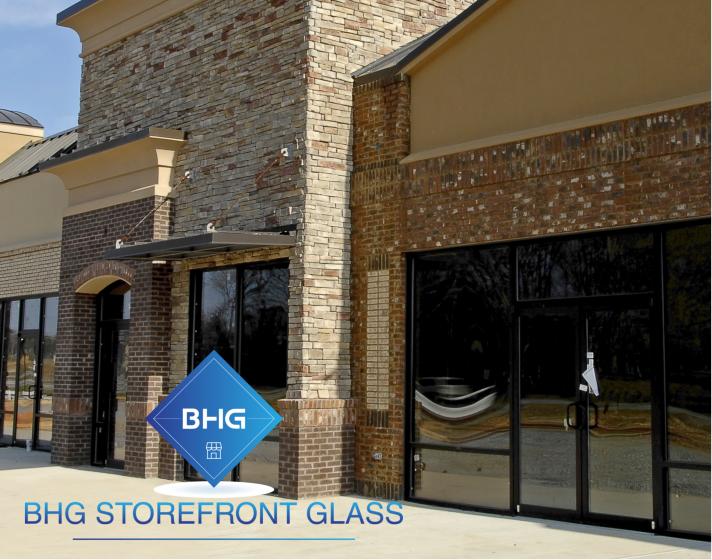
A storefront is more than glass. In fact, it is a system of parts that work together. Aluminum frames carry the load and hold everything in place. Gaskets and glazing tape cushion the glass. Sealant keeps out water and air. Doors hang on hinges or pivots and close with hardware. When one part fails, the others often feel the strain. So a good repair looks at the whole system, not just the broken piece.
Level 1: Glass-Only Glass Storefront Repair
Of the three options, glass-only repair is the simplest. It makes sense when:
- One pane is cracked or shattered from an impact
- A single insulated unit has fogged between the panes
- The frame is straight, solid, and well anchored
- Gaskets and sealant around the opening are still in good shape
In these cases, a glazier removes the damaged pane, cleans the pocket, and sets new glass. This type of glass storefront repair is fast and affordable.
Signs the Glass Is Not the Real Problem
However, broken glass is sometimes a symptom, not the cause. In particular, watch for these warning signs:
- The same opening cracks again and again
- Glass rattles or shifts in the frame
- Cracks start at the corners or edges
- Gaps appear between the glass and the frame
These clues suggest the frame is moving or the glass is stressed. Replacing the glass alone will not fix the problem.
Level 2: Frame-Level Glass Storefront Repair
Next, frame repairs address the structure that holds the glass. Common frame repairs include:
- Tightening or adding anchors to stop movement
- Replacing worn gaskets and glazing stops
- Resealing joints to stop leaks
- Straightening or replacing a bent mullion
- Repairing corrosion at the sill
Often, a glazier combines frame work with new glass. As a result, the opening is stable again, and the new glass lasts.
Glass Storefront Repair for Doors
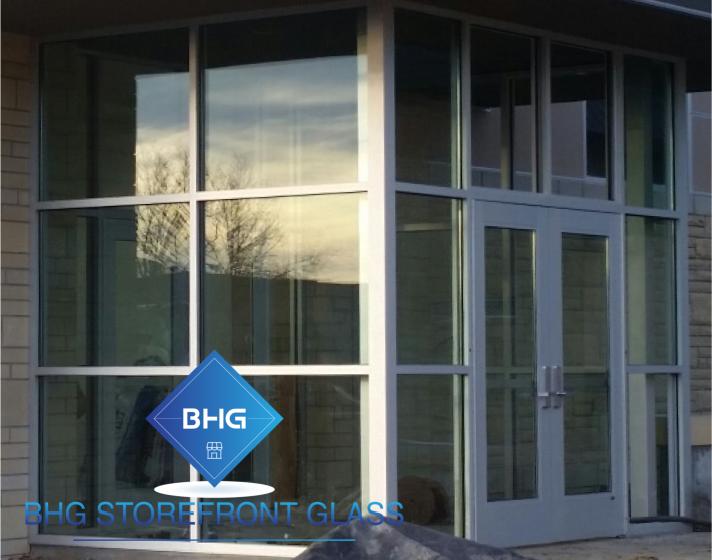
Meanwhile, doors are the busiest part of any storefront. They swing open and shut all day long. So they wear out first. Common door repairs include new closers, pivots, hinges, locks, and weatherstripping. A door that drags or fails to latch can mean the frame itself has racked. In that case, the glazier may adjust the frame and the door together.
Level 3: Replacing the Entire System
However, sometimes repair is no longer worth it. Full replacement usually makes sense when:
- Frames are bent, cracked, or badly corroded
- Leaks come back no matter how often joints are resealed
- The maker no longer supplies parts for the old frames
- Many insulated units have failed at once
- The glass does not meet current safety rules
- Energy bills are high because of old single-pane glass
A new system solves these problems at once and adds years of reliable service.
Glass Storefront Repair in Older Buildings
Older buildings bring extra questions. Their storefronts may use framing systems that makers stopped producing years ago. As a result, matching parts can be hard. Some glaziers can adapt modern parts to fit. Others may suggest replacing one section at a time. In addition, older buildings may have plain glass where safety glass is now required. So a glass storefront repair in an older building often includes a few code updates.
Temporary Fixes vs. Lasting Repairs
After a break or accident, a quick fix may come first. Plywood or temporary panels secure the opening. However, these are not long-term solutions. They block light, look uninviting, and may not seal well. So schedule the permanent repair as soon as the new glass is ready. A short gap between temporary and permanent work keeps the business looking open.
Comparing Costs Over Time
Repairs cost less today. Replacement can cost less over many years. Therefore, weigh both. Start by adding up repair bills from the last few years. Estimate future repairs if nothing changes. Then compare that total with the price of a new storefront. Many owners are surprised how quickly small repairs add up.
Glass Storefront Repair and Safety Glass Rules
By code, doors, sidelites, and panes near the floor need safety glass. Older storefronts may have plain glass in these locations. When that glass breaks, it can cause serious injuries. So when you repair a storefront, the glazier will use tempered or laminated glass where required. If many panes need this upgrade, replacement may be the smarter path.
Energy and Comfort Upgrades
In addition, replacement brings comfort benefits. Modern storefronts use insulated glass and thermally broken frames. These reduce drafts, condensation, and hot spots near windows. In addition, low-e coatings cut glare and fading. For businesses with long hours, these upgrades can lower energy costs noticeably.
Keeping Records of Every Repair
Keep a simple log of each repair. Note the date, the problem, and the cost. Over time, this log shows patterns. For example, it may reveal that one door fails every winter. That insight helps you decide when replacement makes sense.
Glass Storefront Repair During Business Hours
Fortunately, most repairs can happen while the business stays open. Glass swaps often take only a few hours. Larger frame repairs or replacements can be phased by section. Temporary panels secure open areas overnight. Ask your glazier how they will keep customers safe and the store accessible.
Getting a Clear Glass Storefront Repair Assessment
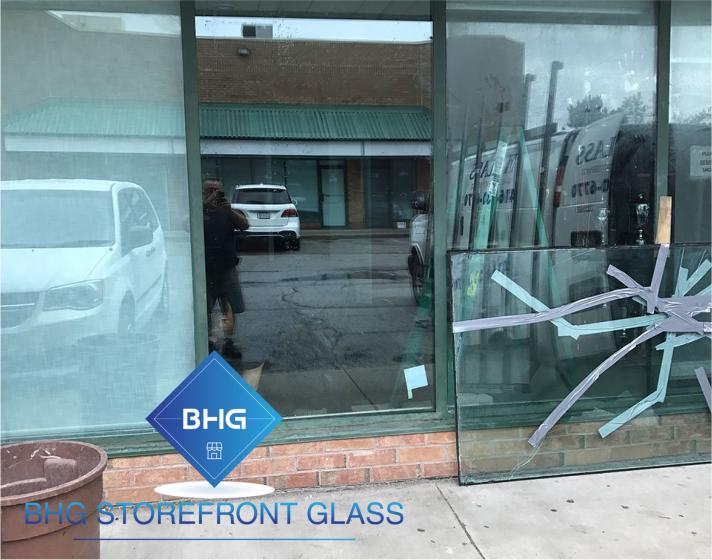
The best decisions start with a careful inspection. A qualified glazier should check the glass, frames, anchors, gaskets, sealant, doors, and drainage. Then they should explain options for repair and replacement with prices for each. Many good glaziers train through groups like the National Glass Association. In addition, ask for photos of problem areas. Clear information helps you choose with confidence.
Smart Questions for the Glazier
- Why did this break?
- Is the frame tight and solid?
- Are replacement parts available for this system?
- Does the glass meet current safety rules?
- How long will each option last?
- What warranty comes with each option?
Common Mistakes to Avoid
- Replacing glass without checking the frame
- Ignoring repeat cracks in the same opening
- Patching an obsolete system with hard-to-find parts
- Leaving non-safety glass in doors and sidelites
- Choosing repair or replacement on price alone
FAQ on Glass Storefront Repair
Can I replace just one cracked pane?
Usually, as long as the frame holds tight and an impact caused the break.
Why does my storefront keep cracking in the same spot?
Often because the frame is moving or the glass is under thermal stress.
When is glass storefront repair not worth it?
Once frames, seals, and doors all show wear, a new system tends to pay off better.
Make the Right Call
Smart decisions protect your storefront and your budget. Meet our storefront repair team, or schedule an inspection today.