
Las Vegas storefront glass has to do more than look good. It must stand up to triple-digit summers, intense sun, dust storms, and heavy foot traffic, all while showing off your products and welcoming customers. From shops in Summerlin and Henderson to restaurants off the Strip and service businesses along Sahara and Rainbow, owners face the same choices. Which glass? What about frames and doors? How long will it take? This planning guide walks business owners through each decision, step by step.
Whether you are opening a new store, remodeling an old one, or replacing a damaged front, these steps help you plan with confidence.
Why the Storefront Matters So Much
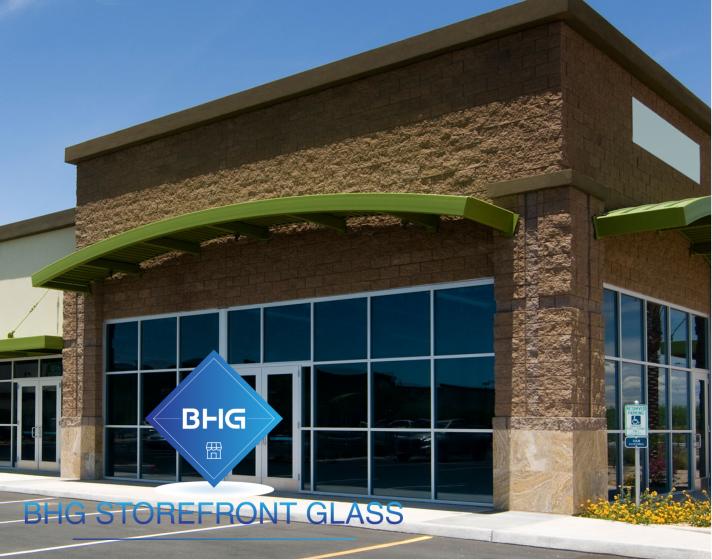
Shoppers notice your storefront before anything else. A bright, clean glass front tells people you are open and ready for them. In contrast, faded frames, cloudy glass, or a door that sticks send the wrong message. In a city where people drive past dozens of shops, a sharp storefront helps you stand out. It also affects comfort and energy bills inside.
Start Las Vegas Storefront Glass Planning With Your Goals
Before you talk to a glazier, write down what you need. Do you want more light, better security, lower cooling bills, or a fresh look? Do you sell high-value goods that need extra protection? Will you open the front to a patio? Your answers shape every choice that follows. Clear goals also make quotes easier to compare.
Understanding the Desert Climate
Las Vegas gets more than 290 sunny days a year and summer highs well above 100 degrees. As a result, glass on south and west walls can let in a huge amount of heat. In addition, strong sun fades merchandise and makes screens hard to read. Dust and wind add wear to seals and door hardware. Every product choice should account for these conditions. For local heat and wind data, check the National Weather Service in Las Vegas.
Choosing Las Vegas Storefront Glass Types
Most new storefronts use insulated glass: two panes with a sealed air gap. A low-E coating on one pane reflects heat while letting light through. For very sunny walls, a spectrally selective coating blocks even more heat without darkening the view. In addition, tinted glass can cut glare. Your glazier can show samples so you see the difference before you buy.
Safety and Security Glass
Code calls for safety glass in doors, beside doors, and near the floor. Tempered glass crumbles into small, blunt bits. Laminated glass stays in one sheet after it cracks because a plastic layer bonds the panes. For shops with valuable stock, laminated glass adds strong protection against smash-and-grab theft. Security film offers a lower-cost upgrade for existing glass.
Frames That Handle the Heat
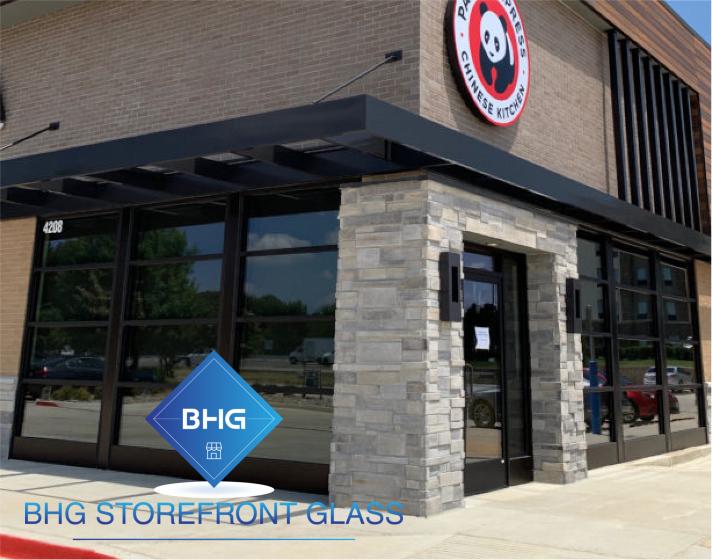
Aluminum frames are the standard for storefronts because they are strong and low maintenance. However, aluminum heats up and passes that heat inside. Thermally broken frames include a barrier that slows heat flow. In addition, lighter frame colors stay cooler than dark ones in direct sun. Pick a finish that suits your brand and the building’s design rules.
Las Vegas Storefront Glass Doors and Entrances
The door takes the most abuse of any storefront part. Choose medium or wide stile doors for busy entries, since they hold stronger hardware. Full-height hinges and commercial-grade closers outlast basic parts. In addition, think about wind. Gusty days can catch an open door, so a closer with good backcheck protects the hinges. Our storefront door page covers popular styles.
Access for Every Customer
Each new entrance should work for shoppers in wheelchairs and those with limited strength. Plan a wide opening, a flush threshold, simple lever or pull handles, and a closer with a light push. Automatic openers help many customers, especially at busy stores. The ADA website outlines federal requirements.
Signs, Graphics, and Display Lighting
Window graphics can share hours, promotions, and your logo. However, heavy vinyl can hide the store and break center rules. So design graphics with the storefront. In addition, display lighting turns a window into a billboard after dark. In a city that stays busy late into the night, a lit window keeps working for you.
Las Vegas Storefront Glass Permits
Permit rules depend on where your business sits. Shops inside the City of Las Vegas work with the city’s building department. Many others, including most of the Strip area, Spring Valley, and Enterprise, fall under Clark County. The Clark County Building Department explains its permit steps. A licensed contractor will know which office handles your address.
Las Vegas Storefront Glass for Restaurants
Restaurants often want large windows and doors that open to patios. Folding or sliding glass walls let diners enjoy mild spring and fall evenings. However, these systems must seal tight when closed, since summer heat and dust are harsh. In addition, misters and shade structures make patios usable longer. Plan the glass and the patio together for the best result.
Hiring a Licensed Contractor
Nevada requires contractors to hold a state license for most commercial work. You can check a license on the Nevada State Contractors Board site. In addition, ask for proof of insurance and photos of recent storefront projects. A local glazier also understands desert conditions and local inspectors.
Lead Times and Scheduling
Stock glass and frames often show up in two to four weeks, while custom colors, laminated glass, and automatic doors need more time. So ask for current lead times before you set an opening date. In addition, many crews start early in the morning during summer to avoid the worst heat. Planning around the weather keeps the project safe and on track.
Budgeting Las Vegas Storefront Glass
Your total depends on how big the storefront is, the glass type, frame system, and door hardware. Laminated glass, thermally broken frames, and automatic doors raise the upfront price. Over time, though, better security and lower cooling bills help pay them off. Ask for a detailed quote so you can compare options line by line.
Monsoon Season and Wind
Late summer brings monsoon storms with sudden wind, dust, and heavy rain. Strong gusts can catch doors and stress glass. So make sure door closers have good backcheck and that anchors hold the frames tight. In addition, check sealant before the storm season so rain stays outside. A quick inspection in June prevents costly damage in August.
Caring for Your Storefront
Desert dust builds up fast. Clean glass and frames often with mild soap and water. Also, check door hardware every few months, since grit wears out pivots and closers. In addition, inspect sealant each spring before the summer heat arrives. Our Nevada commercial glass team offers inspections and tune-ups.
Las Vegas Storefront Glass Planning Checklist
- Write down your goals for light, security, and comfort
- Choose low-E or spectrally selective glass
- Add laminated glass or film for security
- Pick thermally broken frames and durable doors
- Plan access-friendly hardware
- Coordinate graphics and display lighting
- Confirm city or county permits
- Hire a licensed, insured glazier
Build a Storefront That Works for You
With thoughtful planning, your storefront can beat the heat, protect your stock, and draw customers in. With the right glass, frames, and doors, your Las Vegas business will look its best every day. Contact our team to start planning your project.