
Las Vegas tenant improvements often hinge on the storefront, because the glass and entry doors are the first thing every shopper sees. Retail centers across the valley, from Downtown Summerlin and Boca Park to Town Square and the neighborhood plazas along Rainbow, Eastern, and Charleston, turn over tenants every year. Each new store wants a front that matches its brand, lets in light, and stands up to desert heat. At the same time, the storefront must meet building, energy, and access rules. Below, we cover the glass and door choices that matter most in a retail build-out.
Store owners, brokers, and general contractors can use these steps to keep the storefront from becoming the last-minute bottleneck.
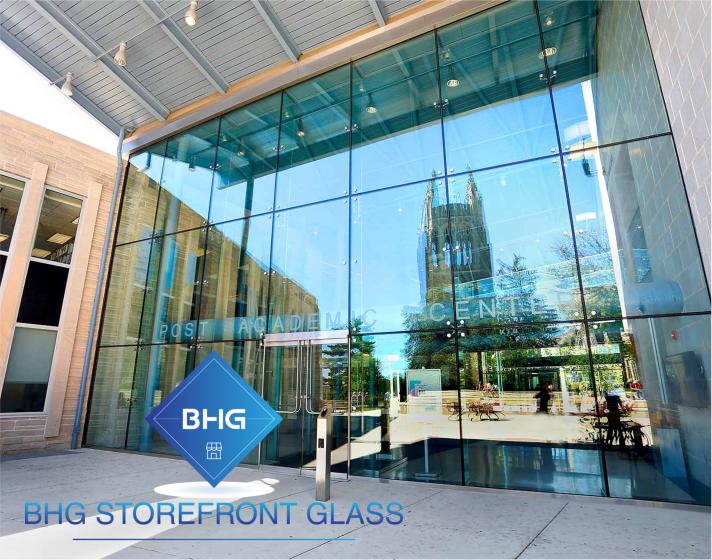
Why the Storefront Deserves Early Attention
Glass and doors take longer than many people expect. Custom sizes, special finishes, and hardware often need several weeks to arrive. In addition, the storefront affects signage, lighting, and the layout just inside the door. If planning starts late, the rest of the store may be ready while the front still has plywood. So bring a glazing contractor into the conversation early.
Start Las Vegas Tenant Improvements With the Existing Front
First, look at what the last tenant left behind. Is the aluminum frame straight and sound? Are the glass panes clear, or do they show fogging, scratches, or failed seals? Do the doors close smoothly and latch every time? Next, check the hardware, thresholds, and weatherstripping. A quick survey shows whether you can refresh the existing front or need a new one.
Glass Choices for the Desert
Las Vegas summers regularly pass 110 degrees, and storefronts facing south or west take a beating. Clear single-pane glass lets in heat and fades merchandise. So most new storefronts use insulated glass units with a low-emissivity coating. Tinted or spectrally selective glass can cut glare while keeping the display visible. In addition, Nevada’s energy code sets limits for heat gain through glass.
Las Vegas Tenant Improvements and Safety Glass
Building codes require safety glass in doors and in many panels near doors and floors. That usually means tempered or laminated glass. Tempered glass breaks into small pebbles. Laminated glass holds together when broken, which also helps with security. The International Code Council publishes the codes most local agencies adopt. Your glazier will mark each lite that needs safety glazing.
Choosing Entry Doors
Next, pick the door style. Narrow-stile aluminum doors give a classic retail look. Medium- and wide-stile doors hold up better in heavy traffic. Meanwhile, all-glass doors create a sleek, open feel for boutiques. Automatic sliding doors suit grocery and pharmacy tenants with carts and strollers. In addition, think about how many doors you need for customer flow and exits.
Las Vegas Tenant Improvements and Accessibility
Every customer entrance must be accessible. That means enough clear width, a low threshold, and hardware people can use without tight grasping. In addition, door closers must not require too much force. The ADA sets the federal standard, and local inspectors check it closely. Lever handles, push bars, and power operators all help. Plan these details before ordering doors.
Hardware and Security
Retail doors need locks that are easy for staff and hard for thieves. Many stores choose deadbolts with hook bolts, panic hardware, or electric strikes tied to an access system. In addition, the code may require exit hardware that opens with a single push. So your glazier, locksmith, and security vendor should agree on hardware early. Mixing these decisions late often leads to costly door changes.
Storefront Frames and Thermal Breaks
Aluminum conducts heat quickly. On a summer afternoon, a standard frame can get hot to the touch. A thermal break is a strip of low-conducting material inside the frame that keeps outside heat from passing through. As a result, they keep the store more comfortable and help meet energy rules. In addition, they reduce condensation on rare cold mornings.
Las Vegas Tenant Improvements and Signage
Your storefront and signs work together. Window graphics, door decals, and blade signs all depend on the glass layout. Some centers set rules for what tenants can put on the glass. So review the landlord’s sign criteria before finalizing the storefront. In addition, leave space above the doors for the main sign and its wiring.
Permits in the Valley
Which agency reviews your plans depends on where the store sits. Stores inside city limits go through Las Vegas Building and Safety. Many centers on or near the Strip, and in areas like Spring Valley and Enterprise, fall under the Clark County Building Department. Henderson and North Las Vegas run their own offices. So confirm the jurisdiction before submitting drawings.
Coordinating With the Build-Out
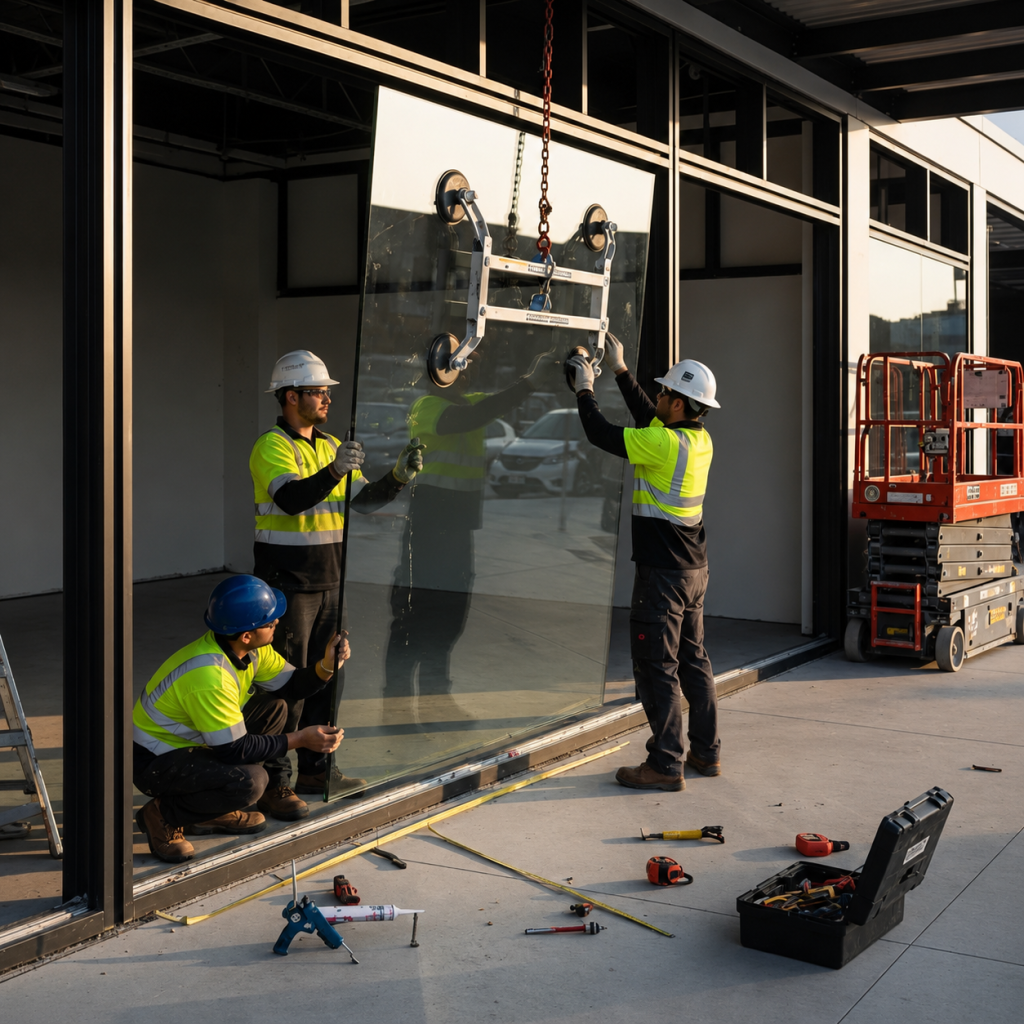
The storefront fits into a larger schedule. Framers build the wall around the opening. Electricians bring power to automatic openers and the sign above the entry. Then the glazier installs frames, glass, and doors. Finally, the locksmith and security vendor finish the hardware. A shared schedule keeps these trades from stepping on each other. Our storefront installation page explains the steps.
Dust, Wind, and Monsoon Storms
Desert wind carries fine dust, and summer monsoon storms bring sudden gusts and rain. So storefront seals and weatherstripping matter. In addition, doors facing open parking lots may need stronger closers to resist wind. Good sealant work at the perimeter keeps dust and water out. The National Weather Service office in Las Vegas tracks local wind and storm patterns.
Budgeting the Storefront
Your storefront budget rests on size, glass type, door style, hardware, and whether you reuse the existing frame. Refreshing a sound front with new glass and hardware costs far less than a full replacement. In contrast, all-glass entrances and automatic doors raise the price. For more on cost drivers, read our post on Las Vegas storefront glass cost and timing.
Timeline
Survey and design often take one to two weeks. Permit review follows. Glass and door orders may need four to eight weeks, depending on finishes and hardware. Installation of a typical retail front takes a few days. So order early to keep your opening date.
Las Vegas Tenant Improvements in Older Centers
Builders put up many valley shopping centers in the 1980s and 1990s. Those storefronts often hold single-pane glass, worn pivots, and faded bronze frames. So Las Vegas tenant improvements in these centers usually involve more storefront work than in newer buildings. For example, the landlord may agree to replace the whole front if the tenant signs a long lease. In addition, some centers update every storefront to one new standard. Ask the landlord about planned upgrades before you budget your own.
Who Pays for the Storefront
Lease terms decide who pays. Some landlords deliver a new storefront as part of the base building. Others give a tenant improvement allowance and let the tenant choose. Still others leave the storefront entirely to the tenant. So read the work letter carefully. In addition, ask who owns the storefront at the end of the lease. Clear answers prevent disputes during Las Vegas tenant improvements and at move-out. A short call with your broker now can save thousands later.
Tips for Retail Tenants
- Survey the existing storefront before design
- Choose low-E insulated glass for desert heat
- Mark every lite that needs safety glass
- Plan accessible doors and hardware early
- Confirm city or county jurisdiction
Las Vegas Tenant Improvements Checklist
- Existing front and hardware review
- Glass type and frame selection
- Door style, access, and security
- Signage and landlord criteria
- Permits and build-out schedule
- Installation and final inspection
Make a Great First Impression
Careful planning makes the storefront the highlight of your Las Vegas tenant improvements, not the holdup. With the right glass and doors, your store will look sharp and stay comfortable all year. See our storefront windows and doors services, or plan your storefront with us.