
Commercial window installation is a major investment for any building owner. New windows change how a building looks, how much it costs to heat and cool, and how comfortable it feels inside. They also affect security, noise, and long-term maintenance. Yet many owners start collecting bids before they understand what they are buying. As a result, they compare prices that do not match and miss key details. This guide explains what to know before you hire anyone.
Owners of offices, retail centers, medical buildings, schools, and light industrial properties will find a clear checklist below.
Why Commercial Windows Are Different
Commercial windows are not just big home windows. They use metal frames, large glass, and strong hardware. In addition, they must meet stricter building and energy codes. Many are part of storefront, window wall, or curtain wall systems that span several floors. So the installer needs commercial experience, not just residential skills.
Know Your Window System Types
Start by learning the main system types. Each fits a different kind of building:
- Punched windows sit in individual openings in a masonry or framed wall
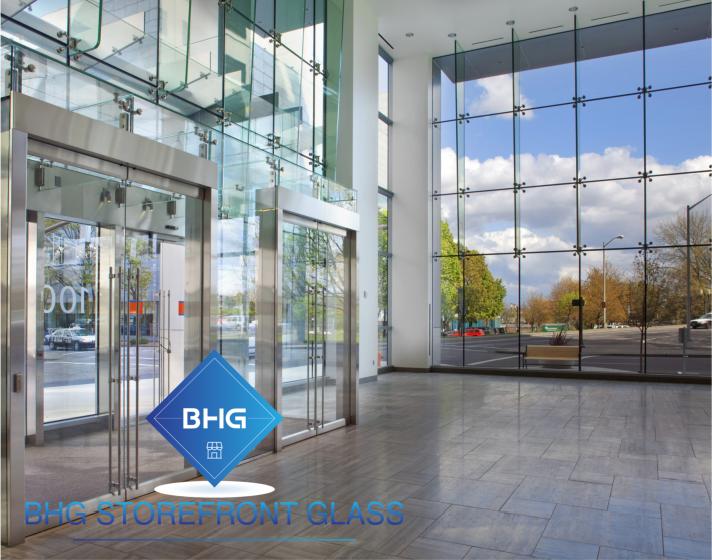
- Storefront systems fill ground-floor openings with glass and doors
- Window wall systems span from floor slab to floor slab
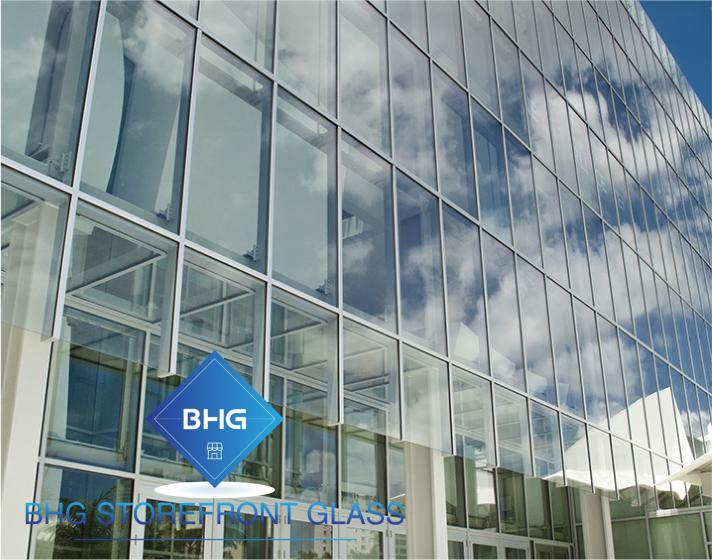
- Curtain wall systems hang on the outside of the building across many floors
Knowing which system you need helps you ask the right questions and compare bids fairly.
Glass Choices Matter Most
Glass shapes comfort and energy use. Most new commercial windows use insulated glass units with two or three panes. Low-e coatings reflect heat while letting light through. Tints and reflective coatings cut glare. In addition, laminated glass improves security and sound control. Ask each bidder exactly which glass they propose. Then compare performance, not just price.
Understanding Energy Ratings
Window performance has clear numbers. The U-factor shows how well a window holds heat in or out. The solar heat gain coefficient shows how much sun heat passes through. Visible transmittance shows how much daylight comes in. The National Fenestration Rating Council rates and labels many products. Ask for rated products that meet your local energy code.
Commercial Window Installation and Building Codes
Codes cover more than energy. They also set rules for wind loads, safety glass, fire ratings near property lines, and emergency escape. In some areas, seismic rules apply too. So your installer must know local codes well. In addition, most commercial window installation projects need a building permit. Ask who will pull the permit and who pays for it.
Check Licensing and Insurance
Never hire a window contractor without checking credentials. Licensing rules vary by state and city. Some states license glazing contractors directly. Others rely on general or local licenses. Either way, ask for license numbers and verify them. Also, ask for proof of coverage for injuries and property damage. That protects you if an accident or defect occurs.
Look for Commercial Experience
Experience matters. Ask bidders about projects similar to yours. For example, a contractor who has replaced windows in occupied office buildings knows how to protect tenants and work in phases. Request references and photos. In addition, ask whether their crews are employees or subcontractors. Direct crews often mean better quality control.
Questions to Ask Before Commercial Window Installation
Use these questions to compare contractors:
- Which window system and glass do you propose, and why?
- Who will measure the openings, and when?
- Will you provide shop drawings and engineering?
- Who handles permits and inspections?
- How will you protect occupants and finishes during work?
- What warranties cover the glass, frames, and labor?
- What is the expected schedule from order to completion?
Clear answers show a contractor who plans ahead.
Understanding Quotes and Scope
Quotes can look very different. One may include removal, disposal, interior trim, and sealants. Another may leave them out. So read every line. Look for exclusions such as permits, after-hours work, or repairs to the surrounding wall. A detailed scope prevents surprise costs once work begins.
Field Measurements and Shop Drawings
Commercial windows are made to order. So exact measurements are critical. A good installer measures every opening on site, not just from drawings. Then they prepare shop drawings that show sizes, anchors, and details. You or your architect should review these drawings before ordering. This step prevents costly mistakes.
Plan for Access and Parking
Crews need room to work. They park trucks, stage glass, and set up lifts. So plan where they can go. Talk with tenants about parking. Mark off safe zones. Small details like these keep the job moving.
Lead Times and Scheduling
Custom frames and insulated glass can take weeks or months to arrive. In addition, special coatings and colors may add time. So plan early. Ask each bidder for a realistic lead time. Then build the installation date around it. Seasonal weather can also affect scheduling, especially for exterior sealant work in cold climates.
Commercial Window Installation in Occupied Buildings
Many projects happen while tenants stay in the building. That requires careful planning. Crews may work one floor or one side at a time. They protect furniture and floors with covers. In addition, they install temporary panels to keep each opening secure overnight. Ask how the contractor will keep tenants comfortable and informed.
Commercial Window Installation on Taller Buildings
Height changes the job. On a one-story building, crews can work from ladders and lifts. On a taller building, they may need boom lifts, swing stages, or a crane. Each one adds cost and time. In addition, crews must plan safe drop zones below. Wind can stop work on upper floors. So ask how the contractor will reach each window and keep people safe on the ground. Good planning keeps commercial window installation on taller buildings safe and on schedule.
Warranty and Maintenance
Warranties protect your investment. Look for coverage on insulated glass seals, frame finishes, hardware, and installation workmanship. Each part may have a different term. In addition, ask what maintenance the warranty requires. Simple care, such as cleaning weep holes and checking sealant, keeps windows performing for decades.
Budgeting for Commercial Window Installation
Costs depend on window size, system type, glass performance, access, and building height. High-rise work needs lifts, swing stages, or cranes, which add cost. However, better windows often lower energy bills and improve tenant comfort. So weigh the long-term value, not just the upfront price. Our commercial window replacement page explains our approach.
Common Mistakes to Avoid
- Lining up bids that quote different glass or frames
- Skipping license and insurance checks
- Ordering windows from drawings without field measurements
- Ignoring lead times when planning tenant moves
- Choosing the lowest price without reading the exclusions
FAQ on Commercial Window Installation
How long does commercial window installation take?
Ordering often takes several weeks. Installation can take days for small buildings and weeks for large ones.
Do I need a permit to replace commercial windows?
Usually, yes. Most jurisdictions require permits for new or replacement commercial windows.
What glass is best for commercial windows?
Insulated glass with a low-e coating is the most common choice for comfort and efficiency.
Hire With Confidence
The right preparation leads to a better result. Learn about our commercial glass window services, or contact our team for a project review.