
Commercial window glass replacement without new frames is often possible, and it can save a building owner a great deal of money and disruption. Office buildings, retail centers, schools, and clinics all have windows that eventually crack, fog, or fall behind modern energy standards. The first question owners ask is whether the whole window has to go. In many cases, the answer is no. If the frames are sound, a glazier can set new glass right into the existing system. Here is how to tell when that works and when it does not.
Property owners, facility managers, and tenants can use these points to plan a window project with confidence.
Why Owners Choose Glass-Only Replacement
Replacing only the glass costs far less than replacing whole windows. There is no need to remove frames, patch walls, or repaint trim. In addition, the work goes faster, so offices and shops stay open. Glass-only swaps also keep the building’s look the same, which matters for landlords and historic properties. When frames are in good shape, commercial window glass replacement is the simplest choice.
Commercial Window Glass Replacement: Checking the Frames
Everything starts with the frames. First, a glazier checks for bends, cracks, and corrosion. Next, they test whether the frame is still firmly anchored to the building. Also, they look for signs of water getting through the frame itself. If the frame is straight, solid, and dry, it is usually a good candidate for new glass.
Common Reasons Glass Needs Replacement
Glass fails for several reasons. A crack from impact or stress is the most obvious. Foggy insulated glass means the seal between the panes has failed, letting moisture in. Scratches and etching can make glass look dirty even after cleaning. In addition, older single-pane glass may waste energy. New glass alone often solves each of these.
Glazing Pocket Depth
Every frame has a slot, called the glazing pocket, that grips the glass. Many older frames have narrow slots sized for thin single panes. Today’s insulated units run close to an inch thick. So if the pocket is shallow, a new insulated unit may not fit. In that case, thinner high-performance glass or a frame adapter may help. Otherwise, the frame may need to change.
Commercial Window Glass Replacement for Energy Savings
Swapping old glass is a chance to cut energy bills. A low-E layer bounces heat back while daylight passes through. Insulated units with gas fills slow heat loss in winter. In addition, tinted or reflective glass can reduce glare and solar heat on sunny walls. The Efficient Windows Collaborative explains how different glass types perform.
Matching the Look of the Building
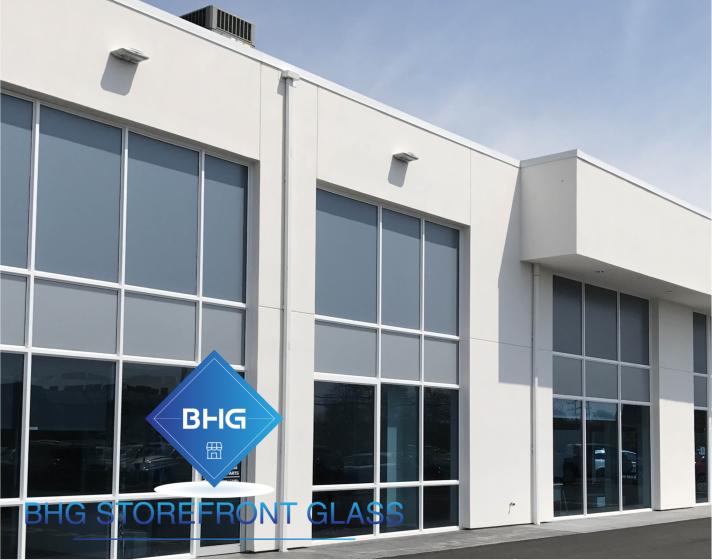
When only some windows get new glass, the new panes should match the old ones. Tint, reflectivity, and color can vary between makers. So bring a sample or have the glazier check the existing glass. In multi-tenant buildings, landlords often require a match. A careful match keeps the facade uniform after a commercial window glass replacement.
Gaskets, Seals, and Setting Blocks
Even when frames stay, swap the small parts around the glass. Old gaskets shrink and crack, letting in water and air. Setting blocks lift the pane off the sill, and they wear out too. In addition, fresh sealant at the perimeter stops leaks. These parts cost little but make a big difference.
Safety Glass Rules
Building codes call for safety glass in certain spots, such as near doors and close to the floor. If those spots now hold plain annealed glass, use tempered or laminated panes instead. The good news is that tempered and laminated panes fit standard frames, so the frames can usually stay. Your glazier will flag these locations during the survey.
Commercial Window Glass Replacement in Occupied Buildings
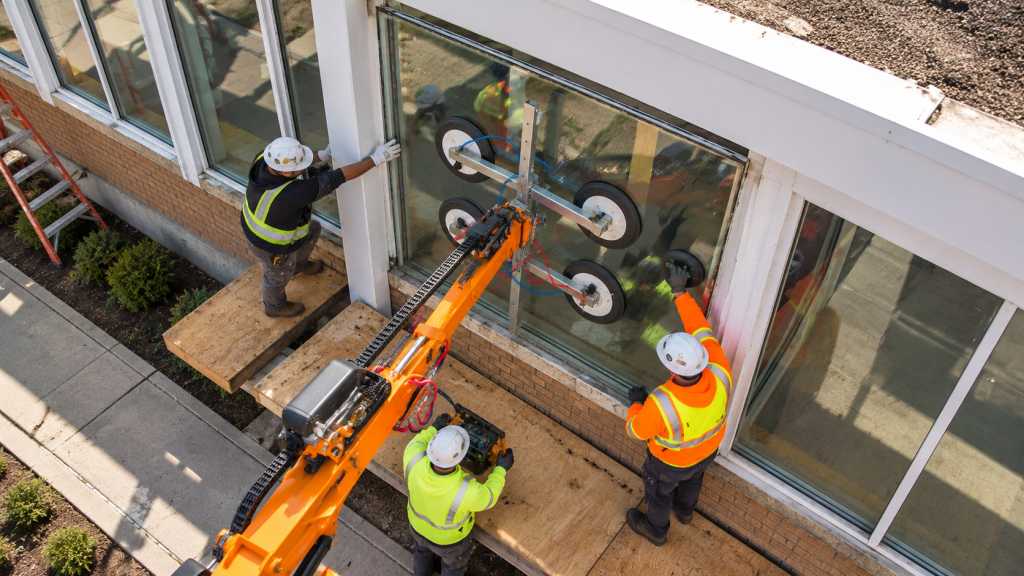
Most glass swaps happen while people are inside. So crews plan the work to limit noise, dust, and disruption. For example, they may replace one window at a time and install a temporary panel if a new unit runs late. In addition, they protect floors and furniture near the work. Clear notice to tenants helps everyone plan their day.
When Commercial Window Glass Replacement Is Not Enough
Sometimes new glass alone will not solve the problem. Frames that leak through the metal, have deep corrosion, or are bent need to go. Also, if the building owner wants a big energy upgrade, the project may call for thermally broken frames. In addition, frames that cannot accept safety or insulated glass limit what you can do. In these cases, a full window replacement is the better long-term choice.
Upgrading Single Pane to Insulated
Many older buildings still have single-pane glass. Swapping to insulated units can cut heat loss and gain in a big way. However, the frame must have room for the thicker unit. In some cases, a glazier can add a deeper stop or adapter to make it fit. Ask for a mock-up on one window before you commit to the whole building.
Comparing Costs
Glass-only work usually costs far less per window than full replacement. However, if many frames need repair, the gap narrows. So ask for prices on both options and compare expected life. Our commercial window replacement team can price both approaches side by side.
Working With Tenants and Landlords
In leased buildings, the landlord usually owns the windows. So tenants should report cracked or foggy glass right away rather than fix it on their own. In addition, landlords should tell tenants when crews will arrive. A short note a few days ahead lets staff move desks and protect equipment.
Lead Times and Scheduling
Standard clear glass may be ready in days. Insulated units, tinted glass, and laminated glass can take a few weeks. So order early, especially on large jobs. In addition, plan the install for mild weather when sealants cure best. A clear schedule keeps the building comfortable throughout the work.
Commercial Window Glass Replacement and Codes
Energy codes may apply when a project swaps a large share of a building’s glass. New glass may need to meet set values for heat loss and solar gain. Labeled, rated glass makes compliance simple to prove. The NFRC rates glass performance. Your glazier can confirm what your local code requires.
Commercial Window Glass Replacement for Security
Ground-floor windows face more risk from break-ins and stray rocks. Laminated glass holds together after impact, which keeps intruders out and protects people inside. In addition, security film can strengthen existing glass at a lower cost. So consider security when choosing replacement glass for street-level windows. The added cost often pays off in peace of mind.
Maintaining New Glass
New glass lasts longer with simple care. Clean it with mild soap and water, not abrasive tools. Check gaskets and sealant once a year. In addition, keep weep holes clear so water drains out. Small habits protect your commercial window glass replacement for many years.
Commercial Window Glass Replacement Checklist
- Have a glazier inspect the frames first
- Check glazing pocket depth for new glass
- Choose low-E or insulated glass for savings
- Match tint and color to existing windows
- Replace gaskets, seals, and setting blocks
- Confirm safety glass locations
- Compare glass-only and full window prices
Keep the Frames, Upgrade the Glass
When frames are sound, new glass can restore clear views, stop leaks, and cut energy bills without the cost of full window replacement. A careful inspection shows which windows qualify. Visit our commercial window repair page, or request a quote from our team.